
How real estate financing can keep projects moving in 2026
By: Laura Klein, CFO of SolaREIT
*This article first appeared in pv magazine on January 8, 2026
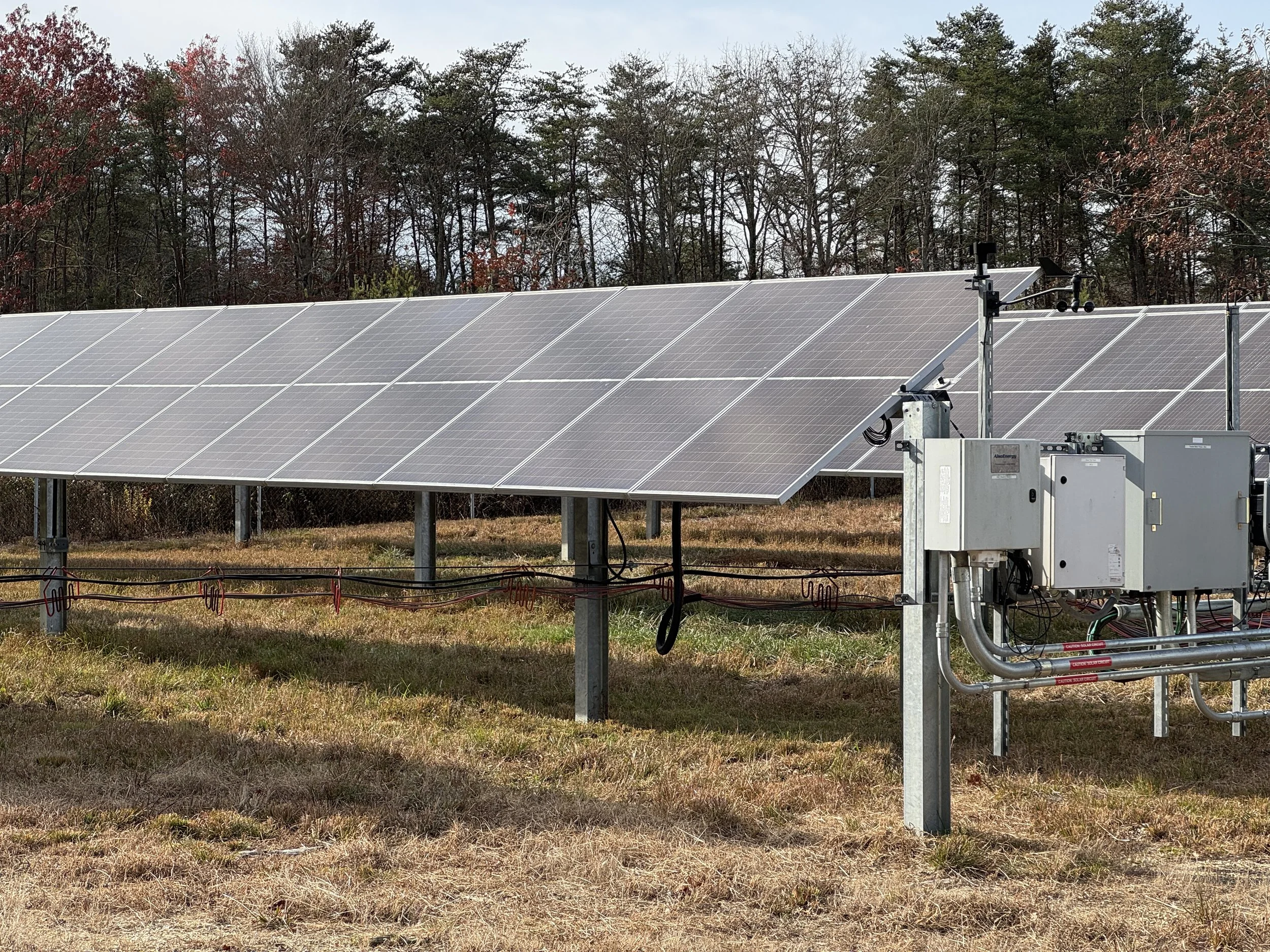
Summit Ridge Energy community solar farm
Time and capital are tight for everyone in the solar development world right now. For a large share of U.S. solar projects, July 4, 2026, now functions as the deadline for meeting “start of construction” requirements. In response, developers did the smart thing: they began pulling as many projects forward as possible. Portfolios that would normally be sequenced over several years are being accelerated to meet the same deadline.
But safe-harboring is expensive and often inefficient as project schedules are contorted to meet the new requirements. Under the latest guidance, the cost-based safe-harbor path has been eliminated for solar projects >1.5MW AC. For most utility-scale and larger distributed projects, the practical route now requires “significant” physical work—on or off-site—combined with continuous construction over time. That means writing checks and having capital at risk for tangible, documentable work: for instance, building transformers, or mobilizing on site and installing trackers. A project may not be able to interconnect for years to come given utility timelines, but sponsors are buying equipment and starting construction on as many deals as possible today to preserve the tax credit.
These two forces—a common deadline and capital-intensive paths to safe harbor—mean sponsor equity is stretched thin as developers start work on several years of pipeline all at once. Banks are prioritizing their largest, best-known clients, and sponsors that typically absorb near-NTP deals are bumping up against their own limits. Rates and terms, for now, haven’t broadly worsened. Instead, human capital is the binding constraint. The result is a sector-wide crunch in both funding and staff capacity, with small and mid-sized developers the most exposed. The issue is not a lack of interest in solar and storage or a willingness to finance but getting attention and capital allocations.
One pool of capital is less exposed to this bottleneck: real estate. Developers who hold land under operating projects or have a purchase option for land for projects that have reached NTP, can convert that asset into cash—without diluting equity and without relying on the same constrained channels as traditional project finance. This strategy is scalable across multiple sites or an entire portfolio, generating meaningful liquidity from land holdings alone.
This strategy is already working. A developer we work with used proceeds from selling the land under their operational assets, which had appreciated significantly since they purchased the properties, to place transformer deposits and mobilize the EPC on other projects at NTP, creating a clean, auditable path for continuous construction. That capital arrived within 30 days of us getting access to begin due-diligence and kept the project from missing a full construction season.
This approach is particularly relevant for small and mid-sized development teams—the ones that are not at the top of every bank’s VIP list. For these developers, the binding constraint is often the calendar. Capital secured by real estate the developer already owns or from projects with purchase options at NTP allows them to control sequencing: they can decide which projects to advance this quarter, rather than waiting for a financing counterparty to free up resources. In the current environment, that control is often the difference between meeting and missing safe-harbor requirements.
We’re entering crunch time for developers and projects. At times like this, when speed and capital are essential, the most reliable source of funding is often the value already on the balance sheet. Converting that value today can bridge projects to the milestone that matters most: documented, continuous construction, so projects keep moving and portfolios stay on track through 2026.